
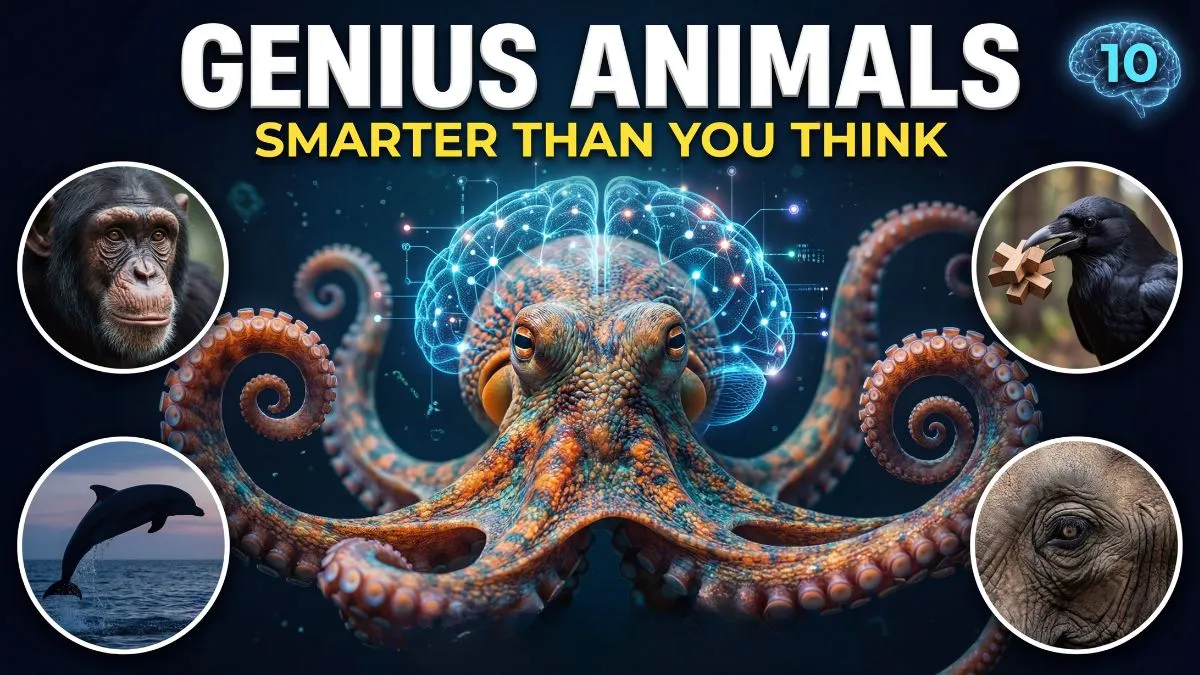
Have you ever watched a crow solve a puzzle or seen an octopus unscrew a jar from the inside and wondered just how smart animals really are? You are not alone. Many of us share our homes with clever pets, but the animal kingdom holds thinkers that challenge everything we assume about intelligence. From bustling cities to deep ocean floors, creatures are using tools, solving problems, and even recognizing themselves in mirrors. Learning about these animals feels like getting a sneak peek into minds that work in ways both familiar and wonderfully strange. Let us explore the 10 most genius animals in the world and see what makes each one so special.
Number 10: The Observant Pigeon
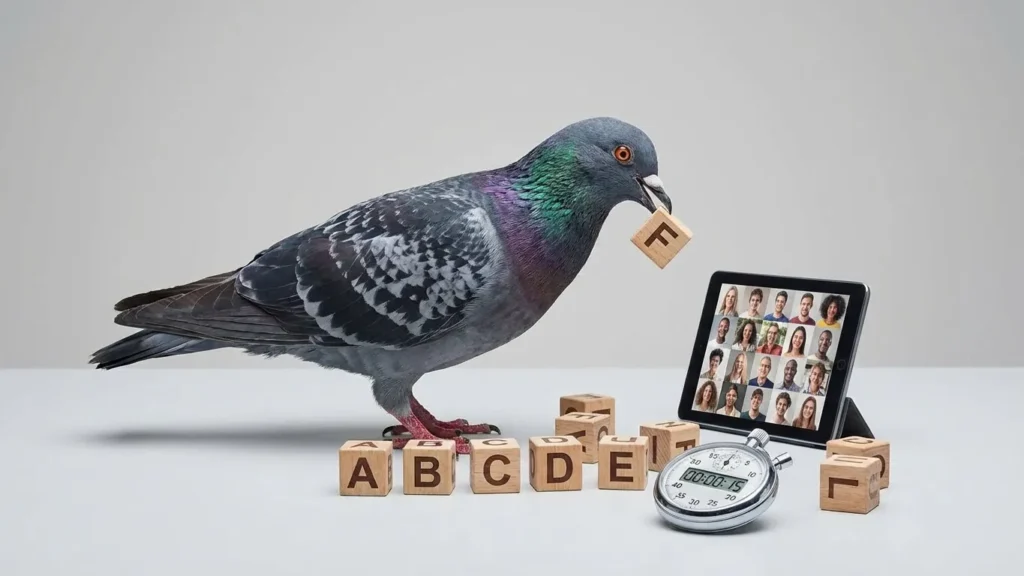
Pigeons get a bad rap for hanging around city benches, but their brains are remarkable processors of visual information. These birds can recognize all 26 letters of the alphabet and remember human faces for several years. Their visual processing speed runs about three times faster than ours, letting them take in details we would miss in a blur. When you see a pigeon pecking at crumbs, picture a creature whose brain weighs just a fraction of an ounce yet maps cities, identifies landmarks, and distinguishes between photographs of people. Their neurons fire with precision, allowing them to navigate hundreds of miles and return home with uncanny accuracy. If you ever thought pigeons were just background noise in urban life, their genius for pattern recognition suggests otherwise.
Number 9: The Problem Solving Rat
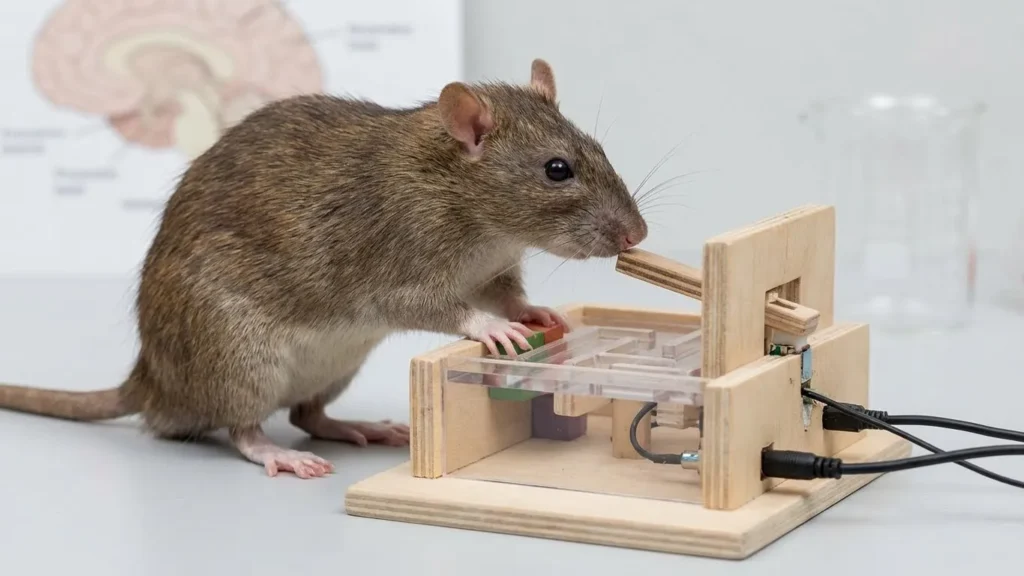
Rats carry a reputation no one would envy, yet their intelligence mirrors our own in surprising ways. Their brains contain 98 percent of the same neurochemicals we have, and they process rewards, fears, and social bonds using pathways that look remarkably human. In laboratory settings, rats solve multi-step puzzles, remember complex maze routes for months, and even demonstrate empathy by freeing trapped cage mates before claiming their own treat. Watch a rat’s whiskers twitch as it feels its way through a new space; those whiskers connect to a sensory cortex that builds detailed mental maps. Their intelligence thrives on curiosity and social connection, making them among the most adaptable mammals on Earth. When you hear about rats escaping traps, you are witnessing problem-solving in real time.
Read More: Top 10 Most Expensive Dogs in the World in 2025 and Rare Dog Breeds for Sale
Number 8: The Eight Armed Thinker
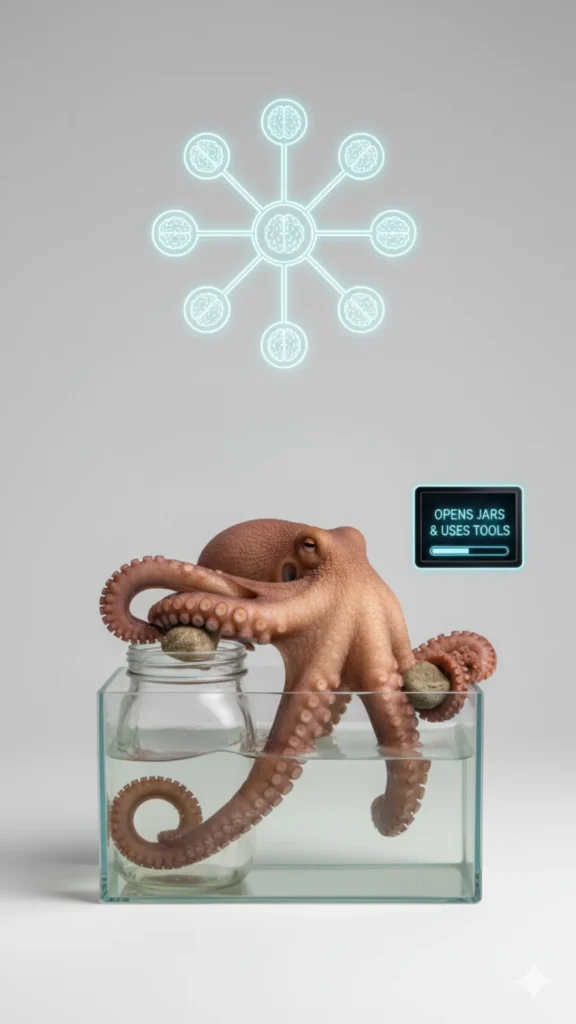
Octopuses rewrite what intelligence can look like. With one central brain shaped like a donut and eight smaller satellite brains in each arm, they hold about 500 million neurons total. That is similar to a dog, but distributed throughout their body. Their arms can taste, touch, and make decisions independently while the main brain focuses on bigger tasks like hunting or hiding. Their skin contains chromatophores that let them change color and texture in seconds, matching their surroundings with a control that seems almost artistic. They use tools like coconut shells for portable armor, and they play. Yes, play. Octopuses have been observed batting around objects and solving puzzles purely for stimulation. Their genius lies in decentralized thinking, where each limb contributes to a whole that constantly outsmarts predators and researchers alike.
Number 7: The Misunderstood Pig
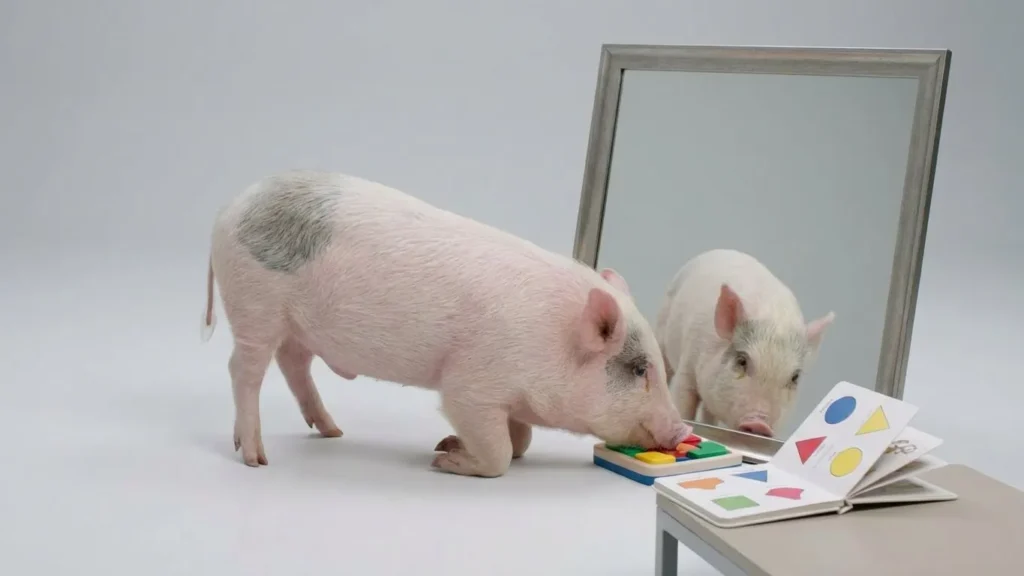
Pigs delight in mud wallows, but their brains are cleaner thinkers than most realize. By six weeks old, piglets understand mirrors, a cognitive leap human babies take months to master. Their intelligence ranks alongside a three year old child, and they often prove more trainable than dogs. a task they learn quickly and remember for years. Their curly tails might wag with excitement, but their brains are busy processing social hierarchies, solving spatial puzzles, and remembering the location of food hidden under specific objects. In sanctuaries, pigs play video games, recognize themselves, and show distinct personalities. Their genius emerges through social complexity and memory that turns a farmyard into a community of thinkers.
Number 6: The Chatty African Grey Parrot
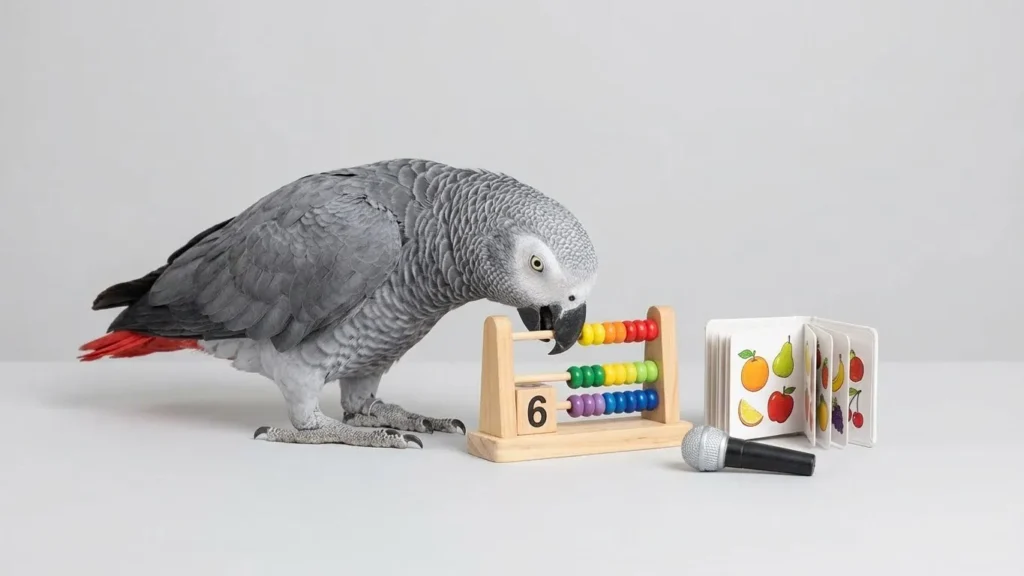
Step into a room with an African Grey Parrot and you might hear words used with intention, not just mimicry. These birds count to six, identify shapes and colors, and understand the concept of zero. They hold vocabularies of over one hundred words and use them to request specific foods or activities. Their brains contain a neural highway called the pontine nuclei, the same structure that powers primate intelligence by connecting thinking and motor regions. In research settings, African Greys have outperformed Harvard students in certain memory tasks. Watch one tilt its head, studying you with a bright eye, before asking for a grape by name. Their feathers might be dusted in grey, but their minds shine with reasoning skills that rival our closest relatives. When they solve puzzles to unlock treats, you see patience and planning, not just instinct.
Number 5: The Crafty Crow
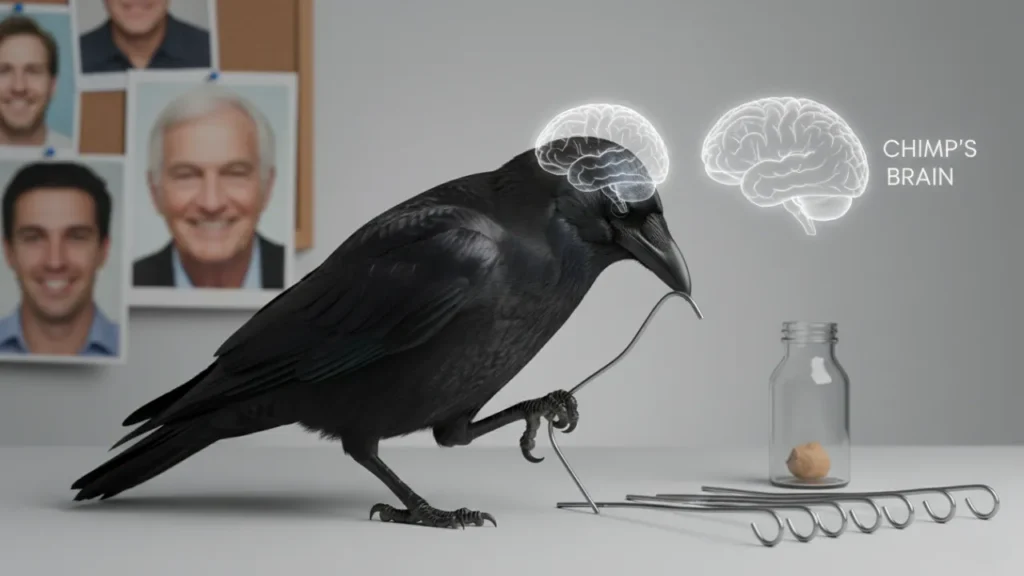
Crows transform everyday objects into tools with a casual expertise that turns sticks into hooks and wires into probes. Their brains pack a punch relative to body size, with a brain-to-body ratio matching that of chimpanzees. In urban parks, crows drop nuts onto crosswalks, wait for cars to crack them, then retrieve the meat when traffic stops. They remember human faces for over five years, warning their young about specific people who posed threats. Head cocked, calculating. They plan for the future, storing food in thousands of locations and recalling each spot months later. Their intelligence weaves through social networks where they teach each other new tricks, creating a culture of problem-solving that spreads through generations. When you see a crow playing in a puddle, you are watching a thinker at work.
Read More: Top 10 Animals That Can Kill a Lion in the Wild
Number 4: The Gentle Giant Elephant
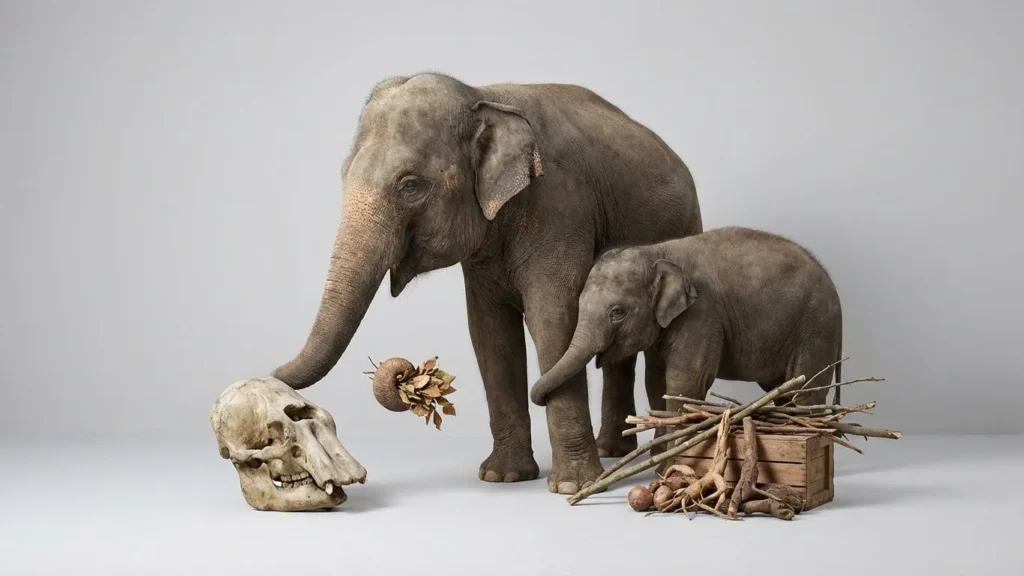
Elephants walk with a quiet wisdom that reflects their extraordinary minds. Their brains contain 257 billion neurons, three times more than humans, with a massive cerebellum dedicated to coordination, memory, and sensory processing. They mourn their dead, revisiting bones years later and touching them with gentle trunks. In the wild, they self-medicate by eating specific plants when ill and show altruism by helping injured herd members. Watch a matriarch lead her family across dusty plains, using infrasonic rumbles to communicate miles away. Their memory maps water holes spanning hundreds of miles, a skill that sustains generations. They recognize themselves in mirrors and show empathy that extends beyond their species. When an elephant carefully steps over a sleeping dog, you see awareness and consideration that defines genius in any language.
Number 3: The Social Dolphin
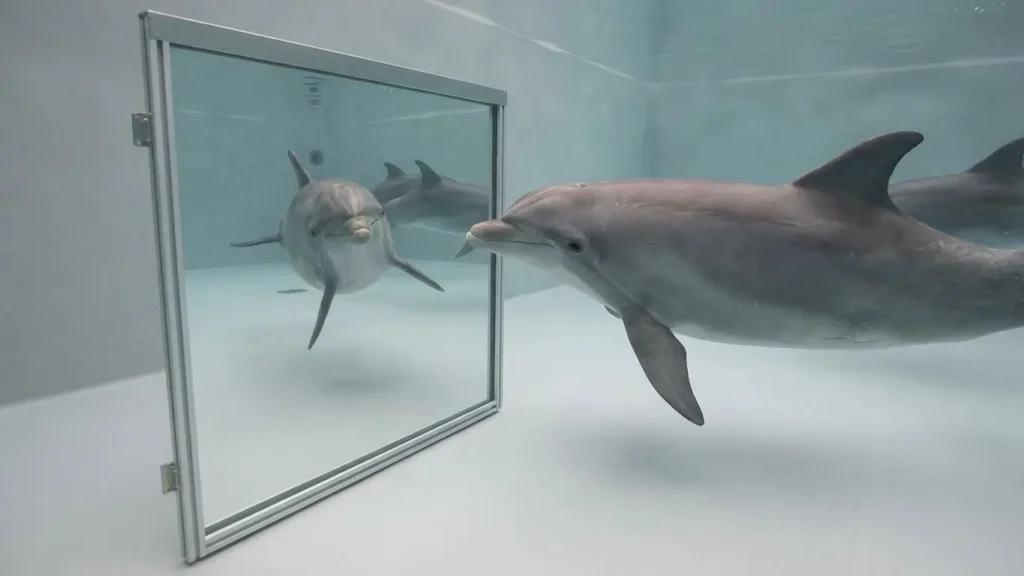
Dolphins glide through oceans with brains built for complex social life. Their brain-to-body ratio is second only to humans, and their neocortex processes emotion, communication, and problem-solving with remarkable depth. They use signature whistles as names, calling specific pod members across vast distances. then taking turns to feed while others maintain the trap. They recognize themselves in mirrors, teach their young to use sponges as nose guards when hunting on rocky seabeds, and show regional dialects in their clicks and whistles. Their intelligence flows through cooperation, where each dolphin plays a role in raising calves or defending territory. When a dolphin surfaces to look you in the eye, you are meeting a mind that navigates both water and social complexity with equal grace.
Number 2: The Tool-Using Chimpanzee
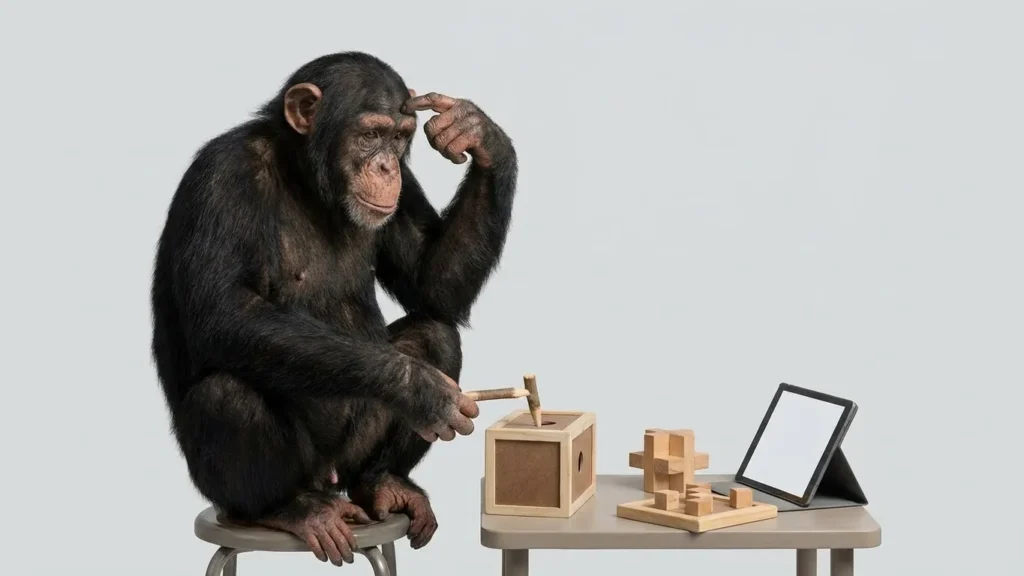
Chimpanzees share 98.8 percent of our DNA, and their minds reflect that closeness. They use sticks to fish termites from mounds, stones to crack nuts, and leaves to soak up drinking water. In sanctuaries, they learn sign language, combining signs into new phrases to express novel ideas. Their intelligence scores match a human toddler, around 20 to 25 points on comparable scales, and they pass cultural knowledge between communities. Watch a chimpanzee strip leaves from a twig with careful fingers, testing its flexibility before probing a termite nest. Their social lives involve politics, alliances, and reconciliation after conflicts. They plan raids, use deception, and comfort distressed friends. Their genius lies in combining tool use with social strategy, creating societies where knowledge moves from generation to generation much like our own.
Number 1: The Deep Thinking Orangutan
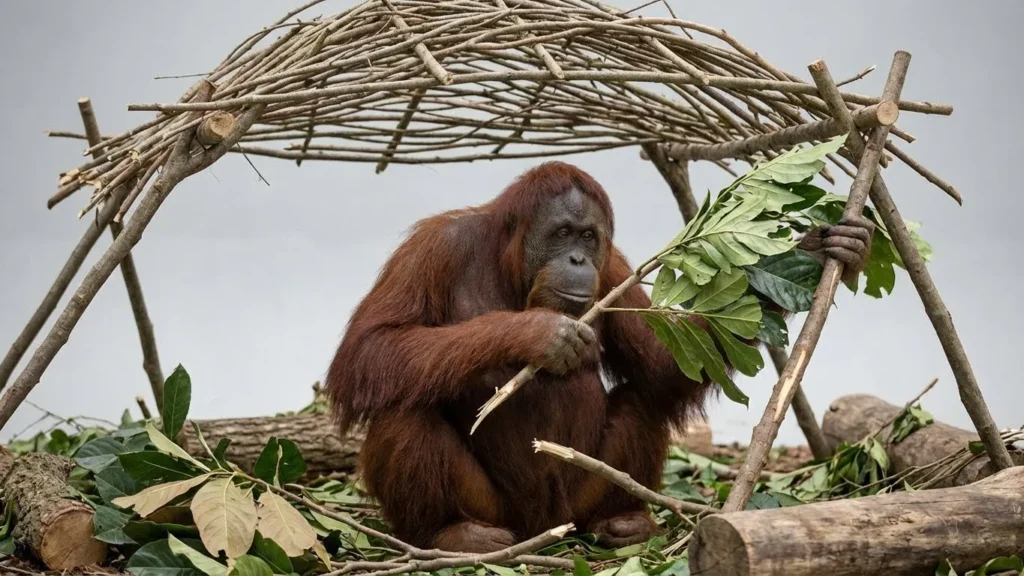
Orangutans hold the top spot among the 10 most genius animals in the world for their profound understanding of how tools work, not just that they work. They build shelter in the wild after learning construction in captivity, proving they transfer knowledge across contexts. Sharing 97 percent of human DNA, they show engineering skills that rival early human ancestors—building a nightly nest by weaving branches together with practiced hands. They use sticks to measure water depth, leaves as gloves to handle prickly fruit, and branches to swat insects. Their intelligence unfolds slowly, with young staying with mothers for up to eight years to learn survival skills. They solve problems by thinking through steps, demonstrating mental flexibility that allows them to adapt as forests change. When an orangutan peers at you from behind thoughtful eyes, you are seeing a mind that builds, plans, and understands in ways that make them the most intelligent animal in the world.
Wrapping Up Our Tour of Animal Minds
These ten animals remind us that intelligence wears many feathers, fins, and fur coats. From pigeons mapping cities to orangutans building homes, each species finds its own path to solve problems and thrive. Their genius invites us to look closer at the creatures sharing our planet, to notice the crow calculating on a wire or the pig solving a puzzle in a pen. When you step outside next, take a moment to observe. You might spot one of these thinkers in action, turning an ordinary day into a chance to witness something remarkable. The world is full of minds worth understanding, and the journey to learn about them never really ends.